
Trekking Permit
Trekkers in Nepal are allowed to trek as FIT (Free Individual Trekker) or in a group of various sizes. However, there are certain trekking regions known as ‘Restricted Areas’ that are highly regulated by the Government of Nepal, and hence FITs are strictly forbidden. Trekking Permit in Nepal these areas is allowed only upon acquiring a permit from the Department of Immigration.
Interested trekkers should contact the authorized trekking agencies, which can then apply for permits (on behalf of trekkers) at the Department of Immigration, fulfilling all the necessary formalities. Trekkers should be trekking in a group (of at least two persons) accompanied by a licensed trekking guide. An individual trekker cannot apply for the permit.
There are different rates (trekking Permit fees) applicable for different routes to acquire the Permits. Visit the link for details. Permit fees are quoted in US dollars but payable in Nepali Rupees. A trekking permit is not issued beyond the visa expiration date. Hence, trekkers must have a valid visa for a sufficient number of days covering their trekking schedule.
Conditions to be followed by Trekkers
- Trekkers should respect local customs and traditions and must not indulge in any activity that goes against the established norms and culture of the society.
- Individual trekking in Restricted Areas is strictly forbidden. There should be a minimum of two trekkers.
- Daily remuneration, safety gears, and appropriate clothes, Personal Accident insurance must be provided to Nepali citizens accompanying the travel group as guides/porters/any other supporting roles.
- Trekkers should trek only on the specified or designated route as per the Trekking Permit. They are not allowed to change the route. Or, the concerned trekking agency/trekking guide accompanying the group must not let trekkers change the route.
- Trekkers should comply with instructions given by authorized Officials in the trekking zone (Restricted Area).
- Mountaineers with an expedition permit should get a trekking permit as well if they have to pass through Restricted Areas to climb peaks. In this case, they do not need to pay fees for the Trekking Permit.
Authorised agencies can apply for trekking permits along with the following documents
- Online application form (trekkers) Link to Trekking Permit Application
- Copy of Passport
- Copy of a valid Visa sufficient to cover trekking days
- Name lists of trekkers
- Program Schedule of Trekking
- Guarantee letter of Agency
- Agreement with Agency
- Tax Clearance Certificate of Trekking Agency
- Documents relating to the insurance of the trekkers (foreign nationals) and Nepalese staff accompanying the trekkers
- License issued by the Ministry of Tourism, Culture, and Civil Aviation to operate a trekking business
- License issued by Nepal Rastra Bank allowing the exchange of foreign currencies
- Program schedule for trekking
- Registration Certificate of Permanent Account Number
- Voucher for Bank payment (fees) for permits
Nepal Trekking Permits & Fees (2026)
Updated Guide by Robinson Crusoe Holidays
Planning a trek in Nepal in 2026 requires a clear understanding of updated permit rules, fees, and trekking regulations. With recent policy changes—including new local permits, stricter guide requirements, and revised solo trekking rules—proper preparation is essential.
At Robinson Crusoe Holidays, we ensure all trekking logistics, permits, and compliance are handled professionally so you can focus entirely on your Himalayan adventure.
Why Trekking Permits Are Important in Nepal
Trekking permits in Nepal are not just administrative requirements—they play a crucial role in sustainable tourism:
- Environmental Conservation: Funds support the protection of fragile Himalayan ecosystems.
- Community Development: Revenue contributes to schools, healthcare, and local infrastructure.
- Safety & Monitoring: Authorities track trekkers for emergency rescue and management.
Permits ensure that trekking benefits both travelers and local communities while preserving Nepal’s natural heritage.
Types of Trekking Permits in Nepal (2026)
1. TIMS Card (Trekkers’ Information Management System)
The TIMS card helps authorities monitor trekkers for safety.
Current Status (2026):
- ❌ Not required in the Everest (Khumbu) region
- ✔️ Required in Annapurna, Langtang, and most classic routes
- ✔️ Included or combined in restricted-area permits
Cost (approx.):
- Foreign trekkers: NPR 1,000 (group) / NPR 2,000 (individual)
- SAARC nationals: NPR 300–600
Key Note:
Many trekking regions now require a licensed guide, and TIMS is often processed through registered agencies like Robinson Crusoe Holidays.
2. Local & Regional Permits (New System in Everest)
In the Everest/Khumbu region, TIMS has been replaced by: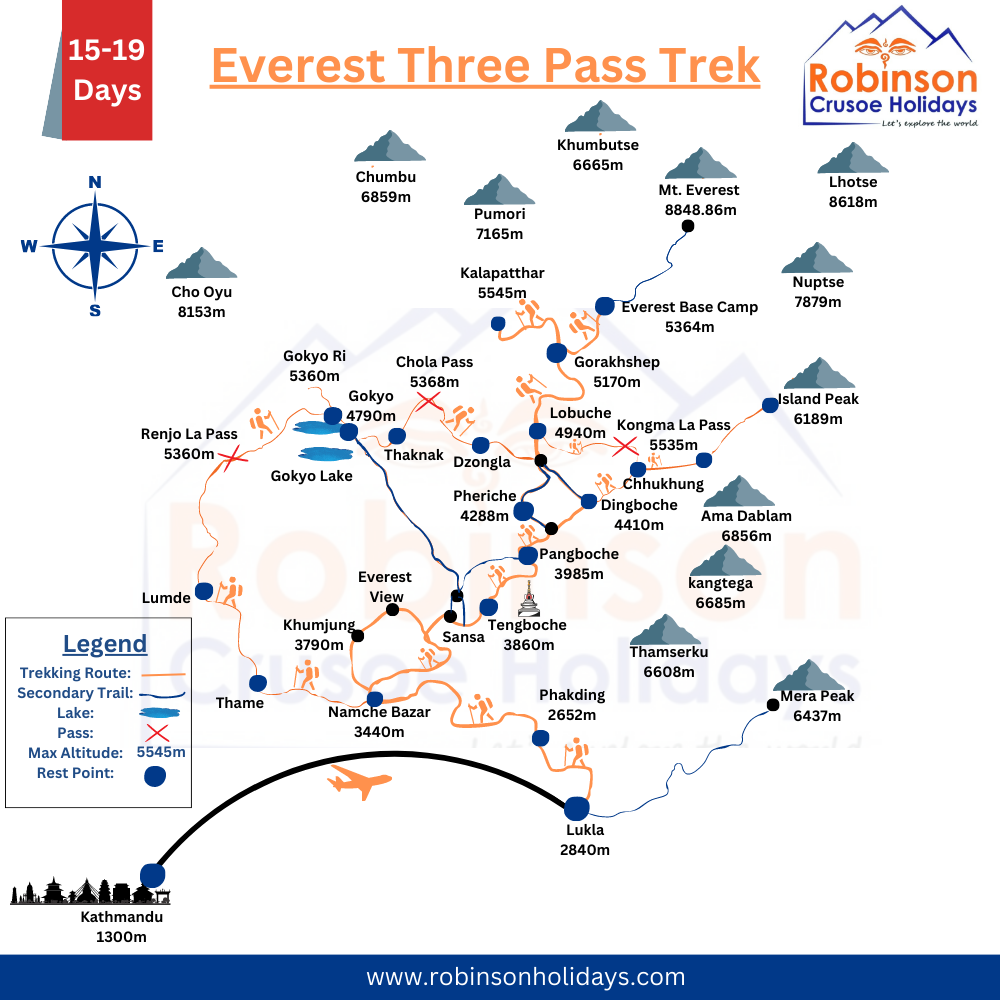
- Khumbu Pasang Lhamu Rural Municipality Permit
- Sagarmatha National Park Entry Permit
Cost:
- Municipality permit: NPR 2,000–3,000
- National Park: NPR 3,000
3. National Park & Conservation Area Permits
All major trekking routes pass through protected areas:
| Region | Permit | Cost (Foreigners) |
|---|---|---|
| Everest | Sagarmatha National Park | NPR 3,000 |
| Annapurna | ACAP | NPR 3,000 |
| Langtang | Langtang National Park | NPR 3,000 |
| Manaslu | MCAP | NPR 3,000 |
| Dolpo | Shey Phoksundo National Park | NPR 3,000 |
✔ Paid once per entry
✔ No daily charges
4. Restricted Area Permits
Special permits are required for remote and culturally sensitive regions:
Restricted Areas Include:
- Upper Mustang
- Upper & Lower Dolpo
- Manaslu & Tsum Valley
- Nar–Phu Valley
- Kanchenjunga
Example Fees:
- Upper Mustang: USD 500 (first 10 days) + USD 50/day
- Manaslu: USD 75–100/week depending on season
Important Rule:
Restricted permits must be arranged through a licensed trekking agency like Robinson Crusoe Holidays.
Major Policy Update (2026): Solo Trekking Rules
As of March 2026:
✔ Solo trekking is now allowed in restricted areas
✔ A licensed guide is mandatory
✔ Permits can be processed online via agencies
✔ Agencies take responsibility for safety and emergency rescue
This change makes trekking more flexible while maintaining safety standards.
Permit Costs for Popular Trekking Routes
Everest Base Camp Trek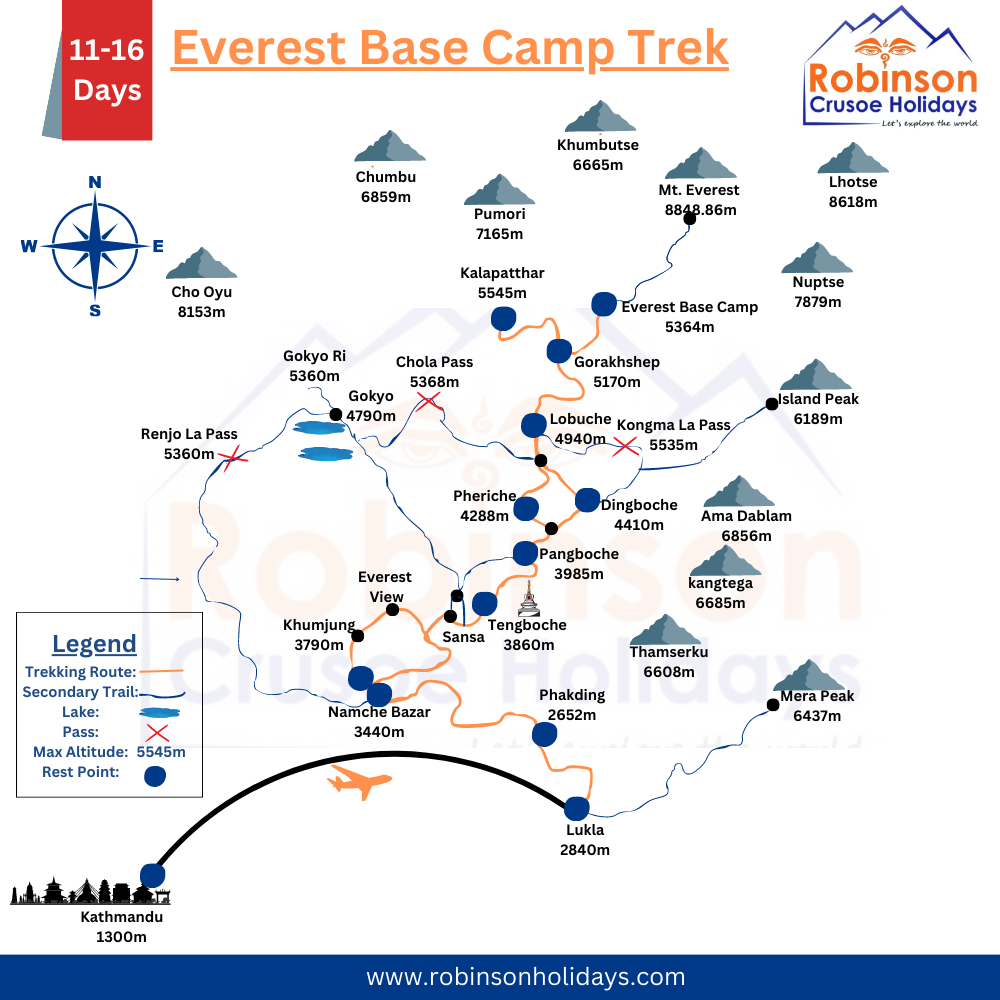
Includes trekking in the Mount Everest region
- Sagarmatha National Park: NPR 3,000
- Khumbu Municipality Permit: NPR 2,000–3,000
- Total: ~USD 50–65
Annapurna Region Treks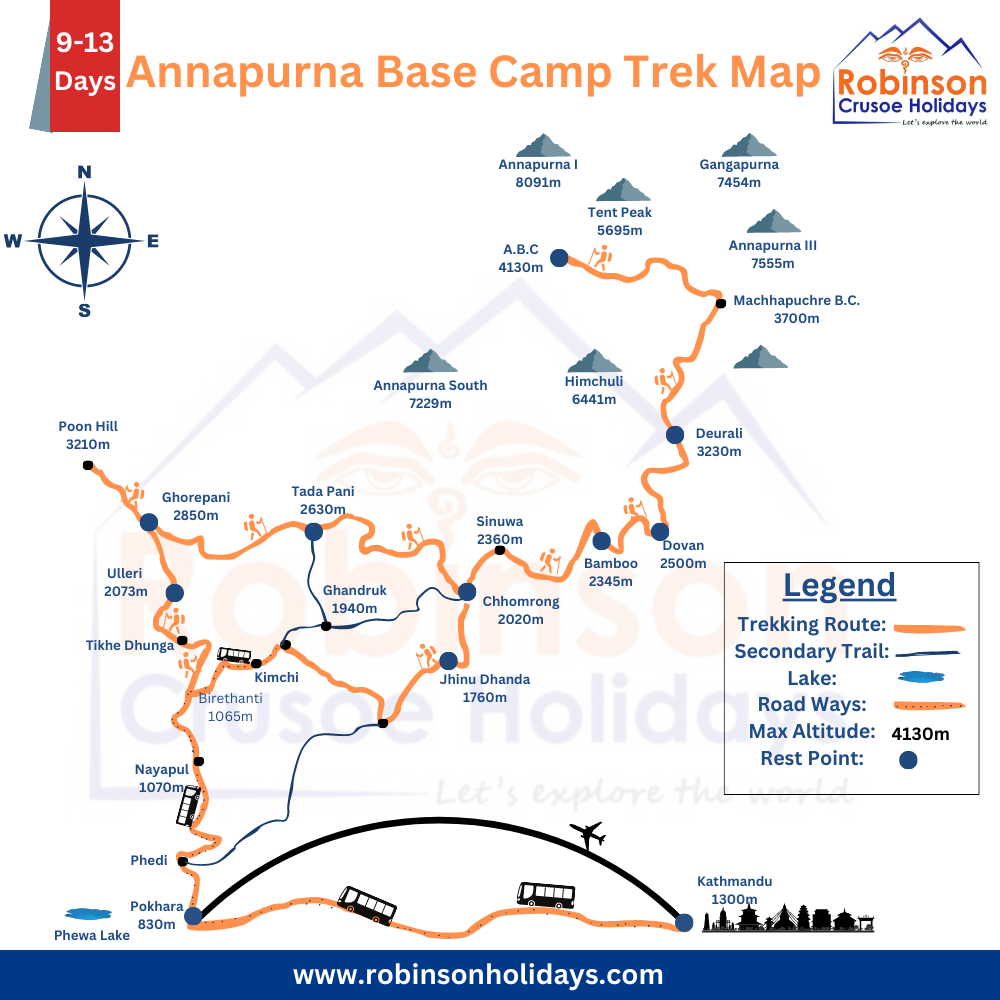
(Annapurna Base Camp, Circuit, Poon Hill)
- TIMS Card: ~USD 15–20
- ACAP Permit: ~USD 25
- Total: ~USD 40–45
Langtang Valley Trek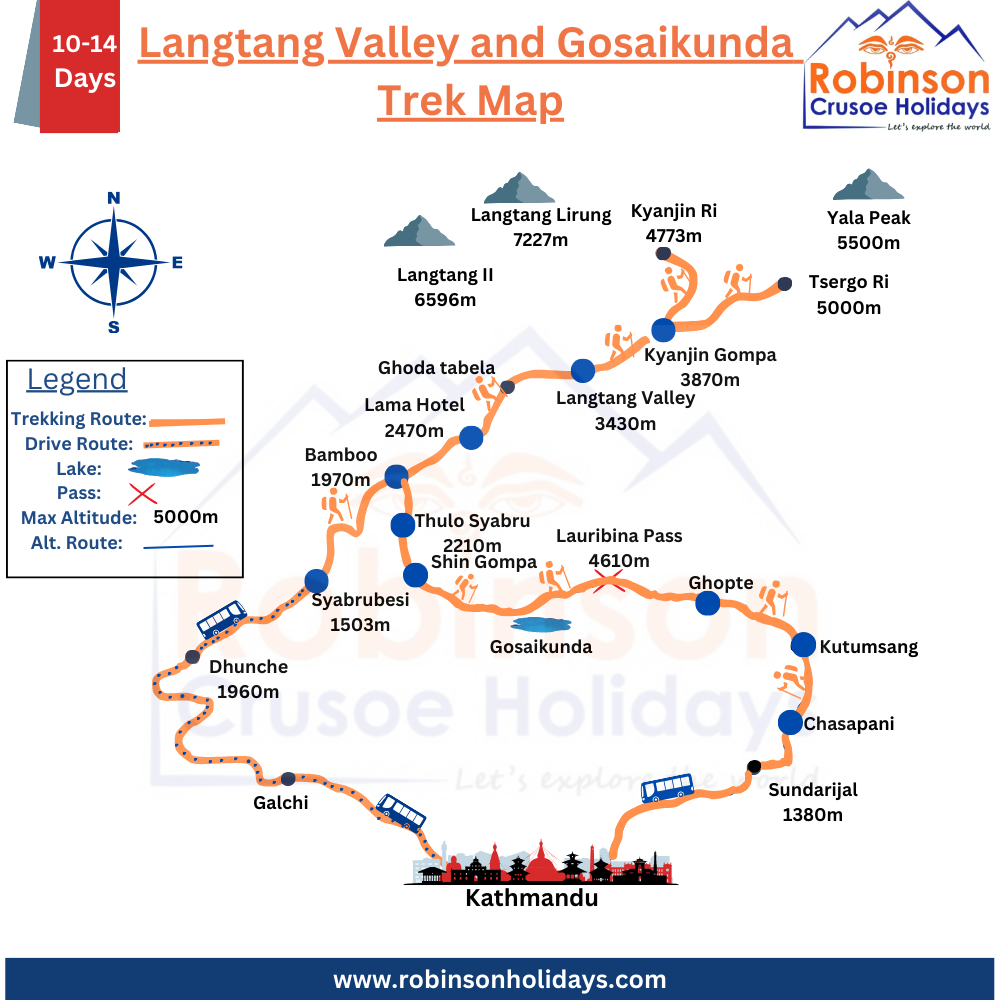
- TIMS Card: ~USD 15–20
- Langtang National Park: ~USD 25
- Total: ~USD 40–45
Manaslu Circuit Trek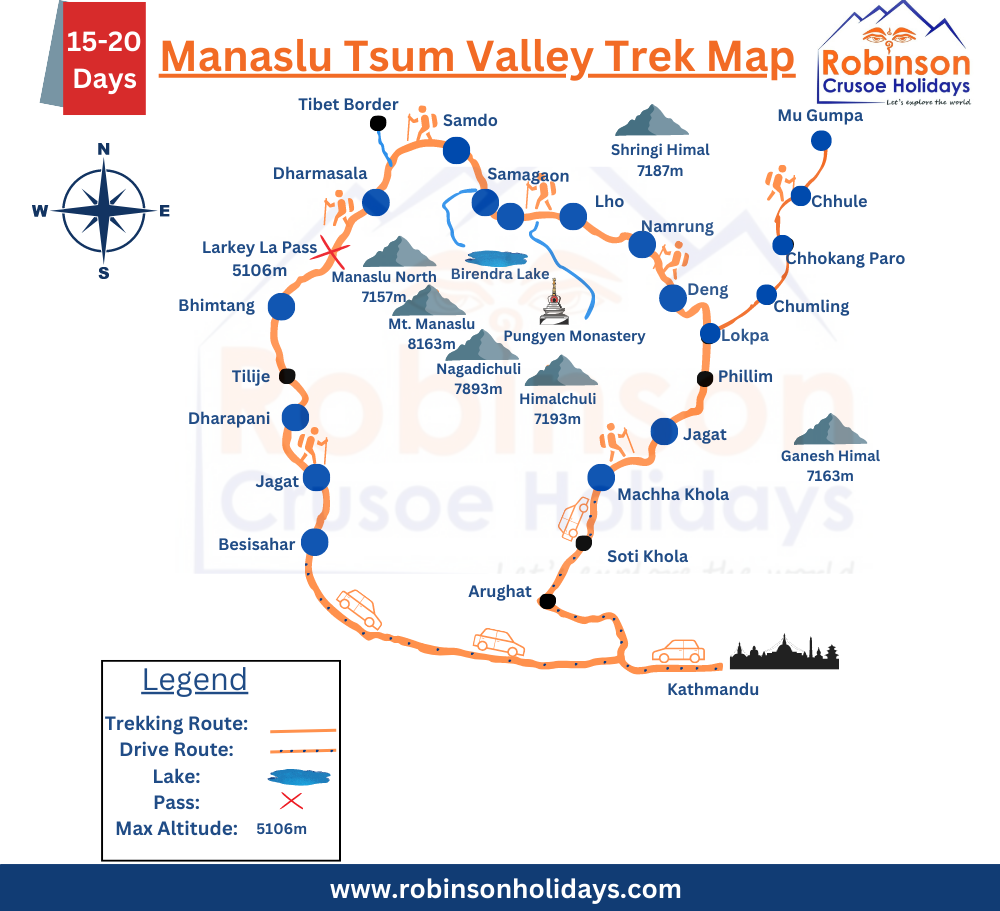
- MCAP Permit: ~USD 25
- Restricted Permit: USD 75–100/week
- Total: Variable
Upper Mustang Trek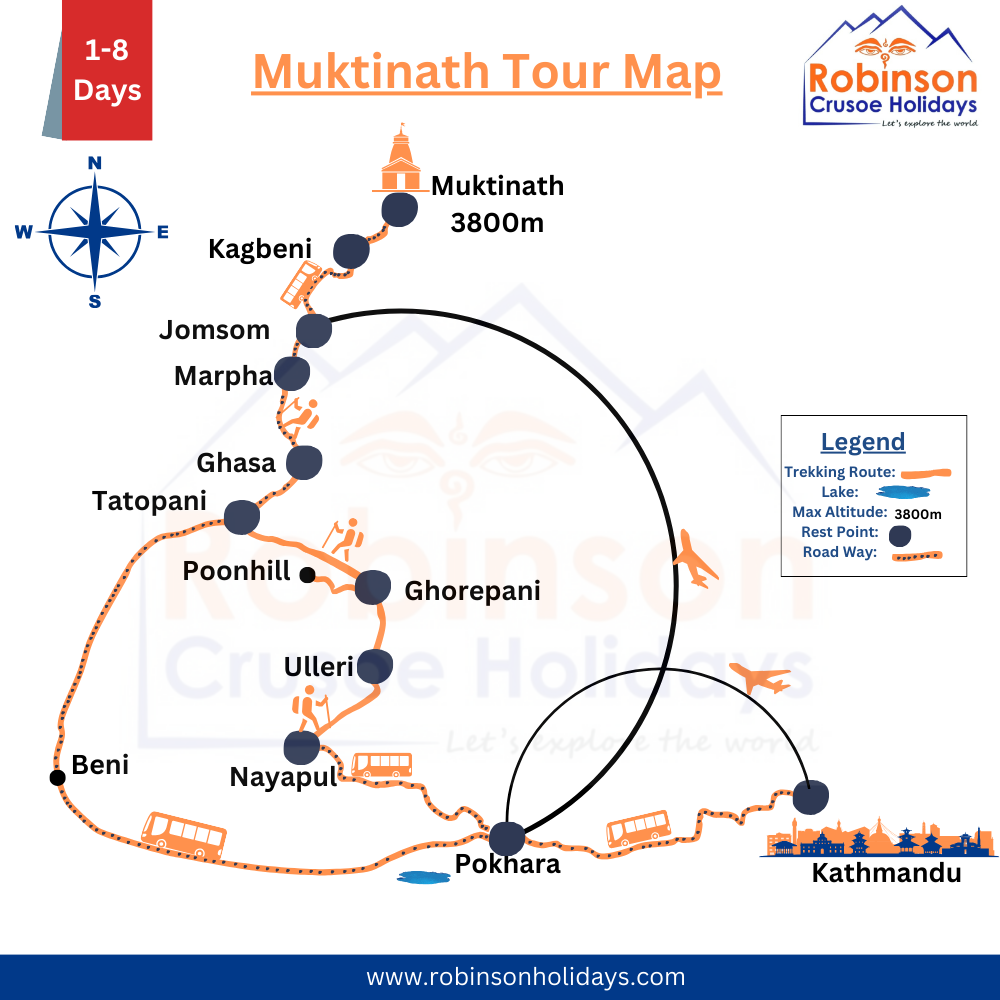
- ACAP Permit: USD 25
- Restricted Permit: USD 500 (10 days)
- Total: High-cost premium trek
Where to Get Trekking Permits
Permits can be obtained:
- In Kathmandu (Tourism Board office)
- At trekking region entry points
- Through licensed agencies
✔ Best Option: Arrange everything through
Robinson Crusoe Holidays
to avoid delays, errors, or compliance issues.
Documents Required
To process trekking permits, you need:
- Passport copy
- Passport-size photos
- Travel insurance (mandatory)
- Trek itinerary
- Emergency contacts
Expert Advice from Robinson Crusoe Holidays
- Always trek with valid insurance and a licensed guide
- Check seasonal pricing for restricted permits
- Avoid outdated online information—rules change frequently
- Book through a registered Nepali agency for safety and compliance
Final Thoughts
Nepal remains one of the most affordable and rewarding trekking destinations in the world—but navigating permits in 2026 requires accurate, updated information.
With expert support from Robinson Crusoe Holidays, you can enjoy a smooth, safe, and fully organized Himalayan trekking experience.